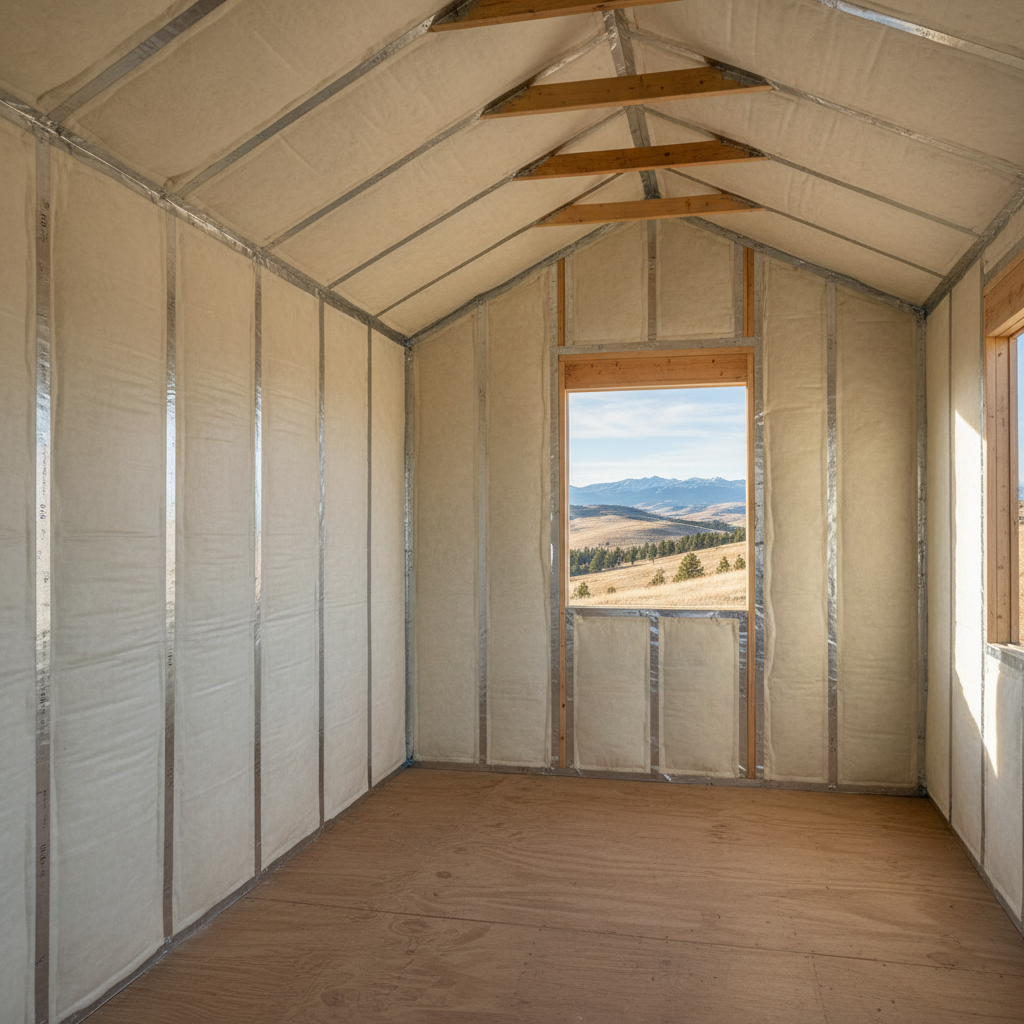
So, you're thinking about insulating your shed? Maybe you're fed up with frozen tools every winter, or your potting shed turns into a sauna by July. Smart move. A well-insulated shed can really change things, whether you use it for storage, as a workshop, or even just a quiet spot to get away from it all. But I've noticed a lot of folks around Laurel make some head-scratching mistakes when they try this project themselves, or even when they hire someone. Let's talk about what to keep an eye out for.
Mistake #1: Not Planning for the Shed's Use
This is probably the biggest one, honestly. People just think, 'Insulate the shed,' without really digging into why they're insulating it or what they'll actually use it for. Are you just trying to keep your lawnmower from rusting quite so fast? Or do you plan on spending hours out there building furniture, needing it to be comfortable all year long? The answer changes everything, doesn't it?
If it's just basic storage, you might get by with cheaper options – maybe even just some rigid foam board in the walls and ceiling. But if it's a workshop, you'll need something much tougher. You'll have to think about R-value, vapor barriers, and even how to get air moving. If you're going to heat or cool it, that's a whole different ballgame. Don't just slap up some fiberglass batts because they're cheap; figure out your end goal first.
Mistake #2: Ignoring Air Sealing
This one goes hand-in-hand with the first mistake. You could pack your shed full of the best insulation money can buy, but if you haven't sealed up all the cracks and gaps, it's like trying to fill a bucket with a hole in it. Air leaks absolutely kill insulation's effectiveness. I see this all the time, especially with older sheds or those put together from kits. There are usually gaps around the foundation, where the walls meet the roof, around windows, and especially around the door.
Before you even think about putting up insulation, grab some caulk, expanding foam, and weatherstripping. Seal up every single opening you can find. This is super important for keeping out those cold drafts we get here in Laurel during the winter, and for keeping the heat out when that summer sun beats down. It also helps with moisture control, which is a big deal for protecting your tools and anything else you store inside.
Mistake #3: Forgetting About the Floor
Everyone focuses on walls and the roof, but the floor? It's often overlooked. Especially if your shed is sitting directly on the ground or on concrete blocks with an open crawl space underneath. That cold earth will suck the heat right out of your shed, no matter how well insulated the walls are. What a waste!
If your shed has a wood floor with a crawl space, you absolutely need to insulate underneath it. Rigid foam board or even spray foam can work wonders there. If it's a concrete slab, you'll want to think about insulation on top of the slab, maybe with a subfloor, or at least a good vapor barrier and some heavy-duty mats. Don't let the ground be the weak link in your insulation chain.
Mistake #4: Not Considering Moisture and Ventilation
Montana weather can be tough, and moisture is a silent killer for sheds. Condensation can build up, leading to rot, mold, and rust. This is especially true if you're insulating and heating your shed. A vapor barrier is essential on the warm side of your insulation to stop moisture from moving into the wall cavity and condensing.
But a vapor barrier isn't enough on its own. You also need proper ventilation. This might mean simple gable vents, a ridge vent, or even a small exhaust fan if you're doing a lot of work in there. Without good airflow, you're just trapping moisture inside, which defeats the whole purpose of insulating and can cause long-term damage to your shed and its contents. I've seen sheds in the Alkali Creek area, with all that heavy clay soil, get really damp inside if folks don't plan for moisture.
Mistake #5: Going DIY When You Should Go Pro (or Vice Versa)
Look, I'm all for DIY. There are plenty of projects you can tackle yourself. But insulation, especially for a space you want to make truly comfortable and efficient, can get tricky. If you're just throwing up some basic batts, sure, you can probably handle it. But if you're looking at spray foam, or you have a complex shed design, or you're aiming for a specific R-value, it might be worth calling in the pros.
On the flip side, don't pay a contractor for a simple job you could easily do yourself. Get a few quotes, understand what they're offering, and don't be afraid to ask questions. A good contractor, like us at Elite Insulation Solutions, will walk you through the options and help you understand the 'why' behind their recommendations. We've seen enough sheds to know what works and what doesn't for our climate.
Insulating your shed is a smart move. Just make sure you're doing it right the first time. A little planning and avoiding these common mistakes will save you headaches, money, and frozen fingers down the road.