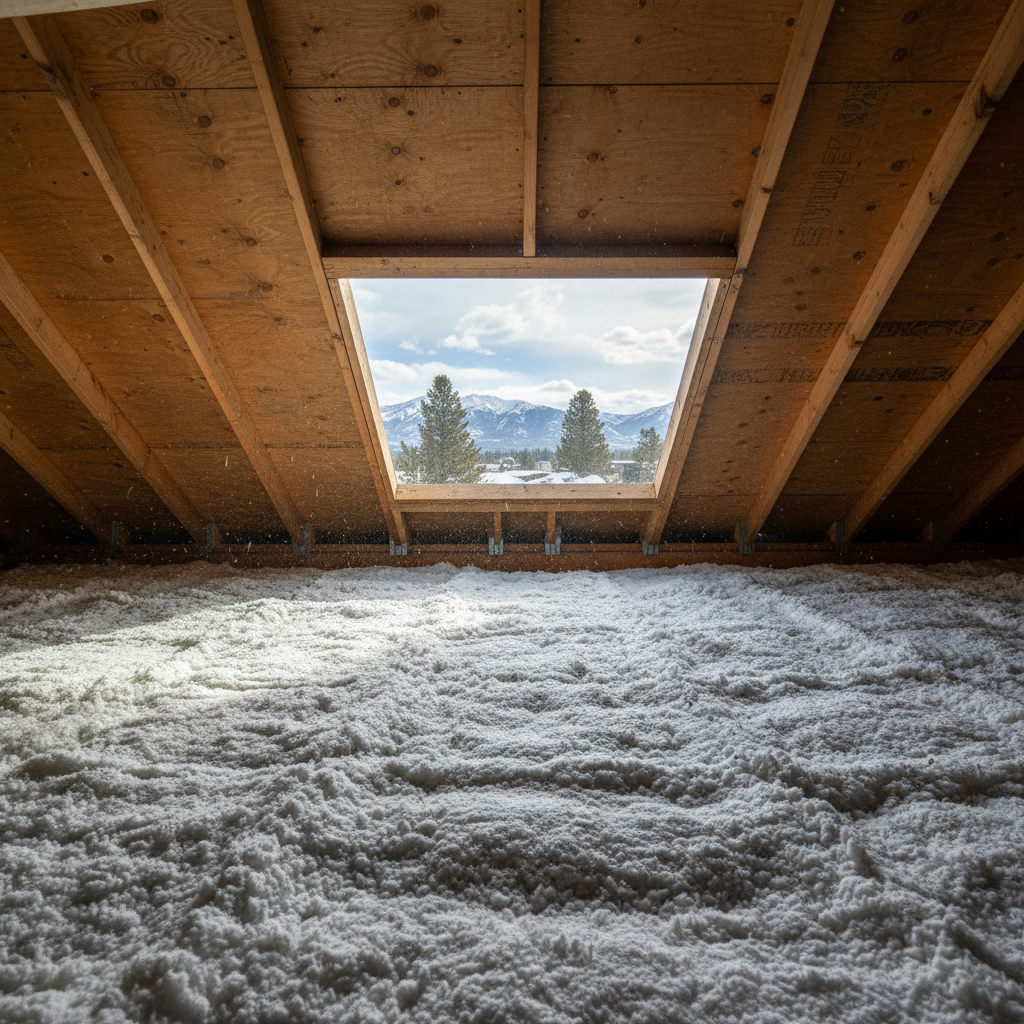
So, you've got blown-in insulation in your attic or walls. Maybe we put it in for you, or maybe it was already there when you bought the place. Either way, you've made a smart choice for keeping your home comfortable and your energy bills down, especially with those brutal Laurel winters and surprisingly hot summers we get. But here's the thing: "blown-in" doesn't mean "maintenance-free" forever. A little bit of care can really extend its life and keep it doing its job right.
Extend Its Life: What You Can Do
The good news is, blown-in insulation—whether it's cellulose or fiberglass—is pretty tough. It's not like you need to be up in your attic every weekend, thankfully. But a few things can really shorten its lifespan, and knowing about them is half the battle.
Keep it Dry: This is probably the biggest one, honestly. Moisture is the enemy of insulation. If you've got a leaky roof, a plumbing issue in the attic, or even poor ventilation causing condensation, that insulation is going to get wet. Wet insulation clumps, loses its R-value, and can even become a breeding ground for mold. Fix any leaks immediately. Make sure your attic vents aren't blocked, especially those soffit vents around the eaves – they're critical for airflow, particularly in older homes around the Main Street area where attics can get stuffy.
Don't Compress It: Blown-in insulation works by trapping air. If you step on it, store heavy boxes on it, or otherwise compress it, you're squeezing out that air. And then it loses its insulating power. If you need to go into the attic for storage or maintenance, lay down some plywood sheets to create a temporary walkway. Don't just trample through it.
Protect it from Pests: Mice, rats, squirrels, birds – they love a warm, cozy attic. They'll nest in your insulation, tunnel through it, and generally make a mess, ruining its effectiveness. Seal up any entry points you can find around your roofline, eaves, and foundation. If you suspect you have critters, deal with them fast before they cause extensive damage.
Regular Check-Ups: What to Look For
You don't need to be a pro to do a quick visual inspection. I'd say once a year, maybe in the fall before the real cold hits, or in the spring after the snow melts, is a good time to poke your head up there. Grab a flashlight and take a look.
Even Coverage: Does the insulation look level and evenly distributed? Are there any bare spots or areas where it looks noticeably thinner? Sometimes, especially around access points or if someone's been up there, it can get shifted.
Signs of Moisture: Look for dark stains, damp spots, or a musty smell. These are all red flags for water intrusion. Check around chimneys, vents, and any roof penetrations.
Pest Activity: Look for droppings, nests, or tunnels. You might even see pathways where they've pushed the insulation aside. If you see this, you've got a problem.
Settling: Over many years, especially with cellulose, you might see some settling. The insulation level might be lower than it was originally. This is normal to some extent, but if it's significant, it means your R-value has dropped.
Warning Signs You've Got a Problem
Your home will tell you if something's off with your insulation, even if you haven't been in the attic. Pay attention to these signals:
Rising Energy Bills: If your heating or cooling costs suddenly jump without a change in usage or utility rates, compromised insulation is a prime suspect.
Drafts or Inconsistent Temperatures: Are some rooms much colder or hotter than others? Do you feel drafts even when windows are closed? This points to poor insulation or air leaks.
Ice Dams: This is a big one for us here in Laurel. If you're seeing significant ice dams forming on your roof eaves during winter, it means too much heat is escaping from your attic, melting the snow, and then refreezing at the colder eaves. It's a classic sign of insufficient or compromised attic insulation.
Musty Odors: A persistent musty smell, especially upstairs, can indicate mold growth due to moisture in your insulation.
When to Call a Professional
Look, you can handle a lot of things around the house, but some jobs are best left to the pros. When it comes to your insulation, here's when you should definitely give us a call at Elite Insulation Solutions:
Major Leaks or Water Damage: If you've had a significant roof leak or plumbing burst that soaked a large section of insulation, it's likely beyond simple spot repair. You'll probably need to remove the damaged material and re-insulate.
Extensive Pest Infestation: If critters have really made a home in your attic, you'll need professional cleaning, sanitization, and often removal and replacement of the affected insulation. Just patching holes won't cut it.
Significant Settling or Bare Spots: If your insulation has settled considerably and you're seeing those warning signs like high bills or ice dams, it's time to consider adding more. We can assess your current R-value and recommend the right amount to bring it up to modern standards for our climate.
Mold Growth: If you find mold in your attic or on your insulation, don't mess with it yourself. Mold remediation is a specialized job, and you want it done right to protect your health and your home.
You're Unsure: If you go up there and just aren't sure what you're looking at, or you're uncomfortable with the idea of crawling around in an attic, that's perfectly fine. Give us a call. We do these inspections all the time and can give you an honest assessment of what's going on and what, if anything, needs to be done. We're here to help keep your Laurel home comfortable and efficient.